
A paradigm transformation consultancy and learning partner helping organizations cultivate leadership, governance, and decision-making for long-term continuity.
Grounded in Indigenous knowledge, living systems thinking, complexity science, and organizational practice, we help organizations expand how they perceive, decide, and lead in a time of profound transition.
We partner with courageous leaders, foundations, enterprises, and public institutions seeking to expand how they understand leadership, governance, and responsibility.
Our Difference
Indigenous-guided — Guided by original knowledge systems and translated through contemporary organizational practice.
Relational by design — Strengthening governance through kinship, reciprocity, and responsibility.
Systems informed — Integrating living systems thinking and complexity science into leadership and decision-making.
Built for continuity — Helping organizations create the conditions for enduring contribution across generations.
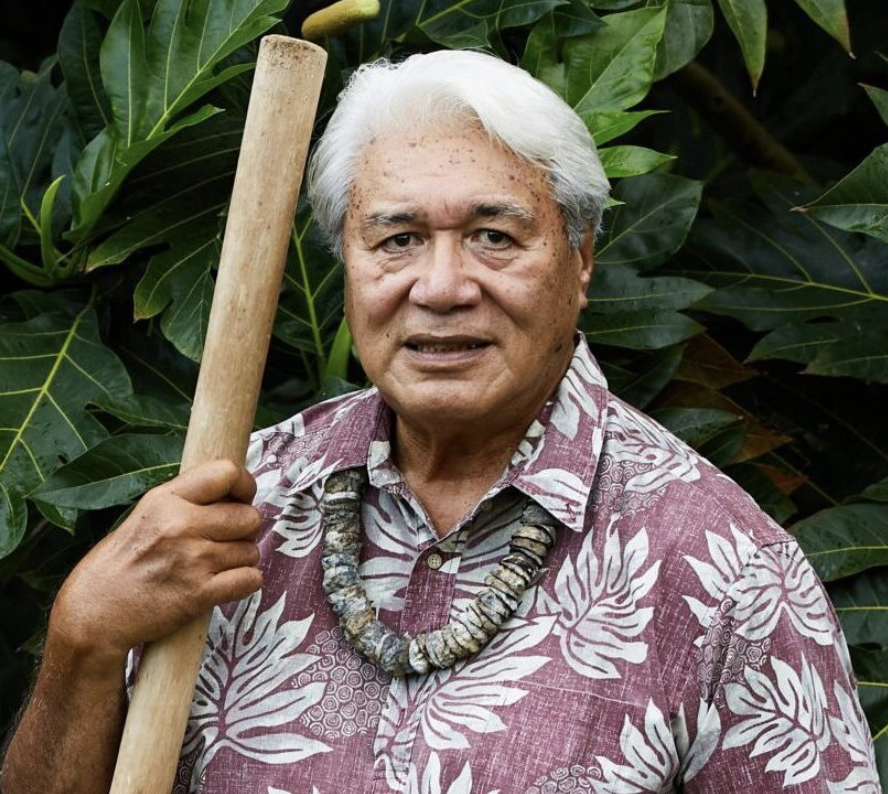
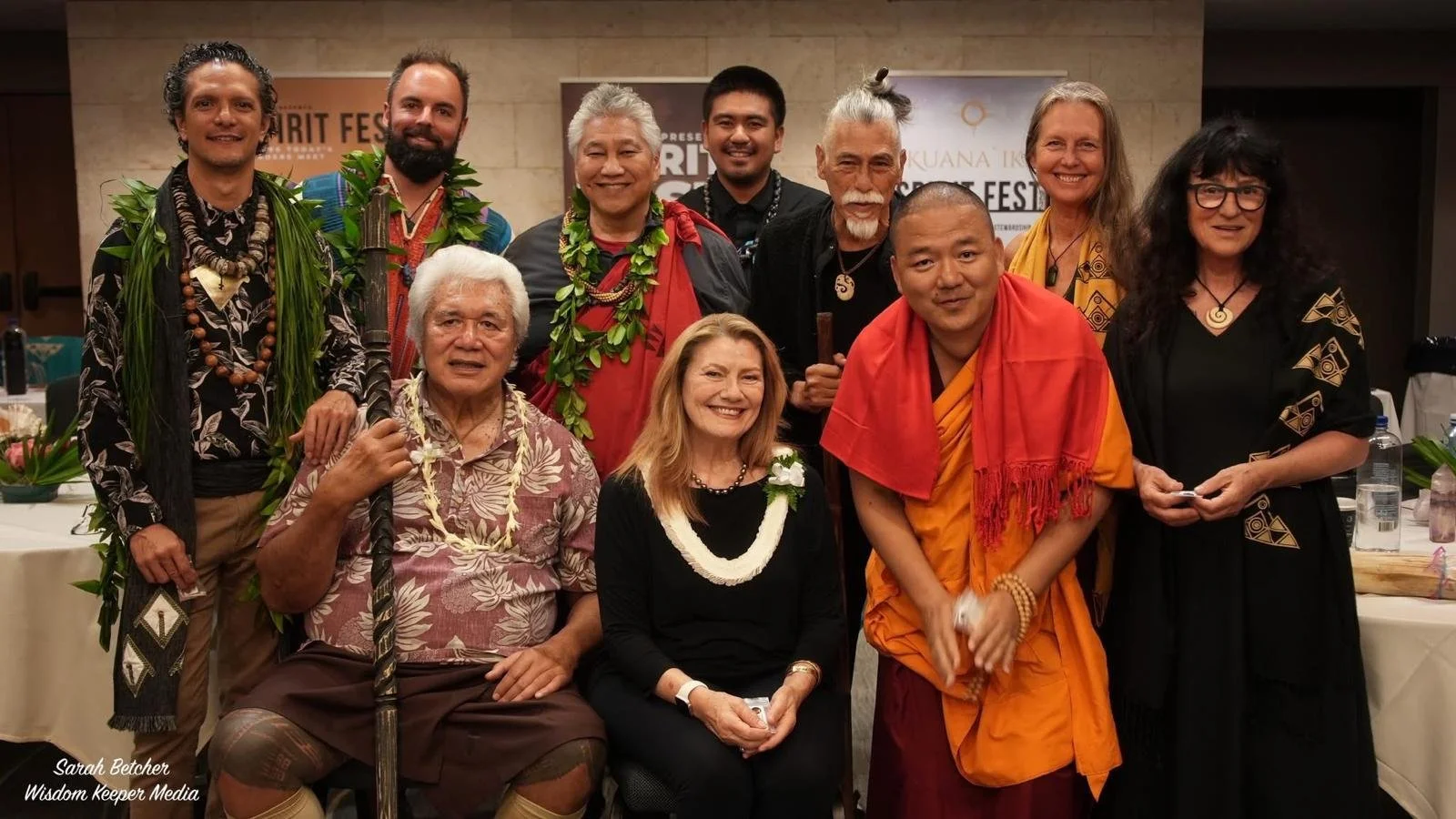
“Good leaders lead, great leaders heal."
Papalii Dr. Failautusi Avegalio, Samoan Elder and Wisdom Keeper

Beyond Development:
Returning to Responsibility
The Sustainable Development Goals (SDGs) and Inner Development Goals (IDGs) have helped shape a global conversation around sustainable development and human flourishing. The Original Living Responsibilities (OLRs) continue that conversation by inviting a deeper relationship with Earth, community, and future generations.
The challenges of our time call for leadership that can hold complexity with wisdom, cultivate meaningful relationships, and steward the conditions that allow life to flourish across generations.
Rooted in Indigenous knowledge, living systems thinking, and relational governance, the OLRs help organizations expand the way they understand responsibility. Strategy becomes an expression of relationship. Governance becomes an expression of stewardship. Success becomes something experienced through the health and continuity of the living systems that support us all.
The OLRs are lived through dialogue, learning, partnership, and practice. They accompany organizations as they cultivate cultures of reciprocity, deepen ecological accountability, and strengthen their capacity to participate in a living future with care, discernment, and integrity.
A bit deeper.
-
We are consciously choosing to reframe what has often been described as "goals", including influential frameworks like the Sustainable Development Goals (SDGs) and Inner Development Goals (IDGs), as Original Living Responsibilities.
While these agendas have drawn attention to urgent crises, their underlying logic often remains entangled with colonial blueprints: linear progress, individual mastery, and the quantification of impact. What is absent is a kinship-based, Earth-centric consciousness, a comprehension that we do not act upon the world from the outside, but are metabolically entangled within her.
"Goals" imply a future to chase, a lack to overcome, a destination always out of reach. Responsibilities, in contrast, are living agreements, invitations to participate with care, reverence, and reciprocity. Rather than asking "What can we achieve?" a responsibility asks "How shall we respond?", even when no answer is clear.
The word "development" itself carries colonial weight, the assumption that some are "developed" and others "underdeveloped," that progress is linear, that growth always equals advancement. This logic has justified extraction, erasure, and the destruction of cultures and ecosystems in the name of improvement. The OLRs compost this paradigm, recognizing that true maturation is not development over others, but relationship with all, where thriving means deepening reciprocity, restoring what's been broken, and honoring what has always sustained life.
In this light, we redefine privilege as the capacity to repair the conditions that created imbalance, an opportunity for restoration.
These Original Living Responsibilities call us beyond "development" as conquest and toward relationship as regeneration, where ancient (and modern) wisdom alongside contemporary innovation inform each other, where biosphere stewardship and human flourishing are inseparable, where we remember how to be in right relation with land, lineage, and life herself.
-
In the dominant paradigm, we are taught to treat discomfort and crises as flaws to fix, often through technological solutions applied before we truly comprehend the relational patterns beneath them. Original Peoples' and Earth-rooted traditions expand this understanding: discomfort is also instruction, the land speaking through our nerves, asking us to slow down and listen before we intervene.
As systems unravel around us (and in us), ecological, geopolitical, cultural, economic, spiritual, we are being called to return to rhythm and coherence alongside necessary action. To find our grounding and remember who we are and where we are. When we act from unprocessed trauma or techno-solutionism, urgency becomes our only compass, and we confuse movement with meaning, re-enacting harm under the guise of progress. We optimize symptoms while leaving root causes intact. Systems born solely in urgency and quick fixes tend to preserve urgency and generate new crises.
Responsibility in this time of rupture is relational presence woven with strategic action. It begins with both pause and purpose, comprehending the pattern before intervening in it. It listens to what the wound is teaching while tending what needs care. It asks: What is life calling for here, from both my capacity to respond and the web of life itself?
When we respond from this place, action becomes ceremony, leadership becomes listening, strategy becomes reciprocity. We move with both clarity and devotion, dancing and responding in step with Earth's evolving intelligence.
-
Original Living is the return to right relation as necessity. It names the deep intelligence woven into Earth's design: instructions older than empires, encoded in stars, stones, rivers, and story.
"Original" does not mean primitive; it means primordial, foundational, elemental, the first agreements that life made with herself. Like the Mamos of the Sierra Nevada de Santa Marta speak of the "documents of Nature", the primordial patterns and interconnections of how things function, this is what we mean by Original Living: the original principles of life.
In this way, Original Living is both heritage and contemporary coherence. It is a leadership stance rooted in reciprocity, listening, and kinship, honoring what has always sustained life while responding to what this moment calls for.
It asks: Do our choices reflect belonging? Are our actions in service to life? Do we move from both clarity and reverence?
To live originally is to align systems, strategies, and selves with the pulse of the living world. It is to lead as if Mother Earth were watching, because she is. This is both metaphor and method, poetry and practice, compass and commitment to coherence across time, body, spirit, and system, where ancestral wisdom and emergent possibility inform each other.
-
These responsibilities are pathways of collective reweaving. In a culture that often treats knowledge as commodity, sampled, styled, and discarded, we risk turning even sacred teachings into consumable trends.
The Original Living Responsibilities are a living process, an ongoing practice of attunement and participation. They cannot be rushed, cannot be read and studied alone. They must be embodied. They are relational, recursive, and unfolding, a way of being that matures over time through humility, reverence, and response-ability.
Knowledge here is beyond being a concept in the mind, it is gnosis, embodied knowing. It lives in the body, in felt experience, in the way you move through the world when no one is watching. Using these responsibilities without living them misses their essence entirely. They are not about thinking or talking about change, they are about being the change (like Gandhi said), allowing transformation to move through your choices, relationships, and presence.
These responsibilities are not for those wanting to check boxes of achievement. They are about becoming kin with life, deepening coherence and relationality with the living world.
Because the future is about learning to walk together, with the land, our ancestors and all of our kin, human and more-than-human. We must not be so intent on arriving.
-
Original Living Responsibilities emerge from a regenerative, relational worldview, one that honors ancestral wisdom, ecological intelligence, and present-moment accountability.
This is leadership as devotion, deepening alongside expansion. Repair through both action and presence.
We don't call this "new" the way colonial history has used that word: New World, New Earth, New Age, as if to erase what came before. This is (k)new, a remembering. What feels new to some has long been known by the land, by Original Peoples, by the mycelium beneath our feet. This is reconnection alongside innovation, ancient wisdom informing emergent possibility.
We offer these responsibilities now as both signal and practice, invitations to remember what has always sustained life while responding to what this unprecedented moment calls for.
How We Work
Paradigm Transformation
Every organization operates from a way of seeing.
Together, we surface the assumptions shaping leadership, governance, culture, and decision-making, creating the conditions for new possibilities to emerge.
Every engagement begins by expanding how an organization sees itself, the relationships it participates in, and the future it is helping to create. From there, leadership, governance, partnerships, and strategy begin to evolve with greater coherence and continuity.
2. Leadership for Living Systems
Leadership grows through discernment, relationship, and the capacity to navigate complexity with wisdom.
We accompany executive teams as they cultivate the qualities needed to steward organizations through long-term transition.
3. Relational Governance
Governance expresses what an organization values.
We help institutions develop governance that reflects reciprocity, ecological responsibility, and meaningful accountability to future generations.
4. Indigenous Partnership & Biocultural Stewardship
Strong partnerships begin with relationship.
We support organizations in building enduring collaborations with Indigenous peoples through respectful engagement, cultural understanding, FPIC, and long-term stewardship.
5. Knowledge Bridges
Many of today's challenges invite more than one way of knowing.
We create spaces where Indigenous knowledge, science, organizational practice, and lived experience can inform one another through dialogue, learning journeys, and collaborative design.
6. Learning Journeys & Transformation
Transformation deepens through experience.
Our workshops, executive immersions, and Two-Eyed Seeing learning journeys help leaders cultivate new ways of perceiving, deciding, and participating in the systems they influence.